 KINSMC
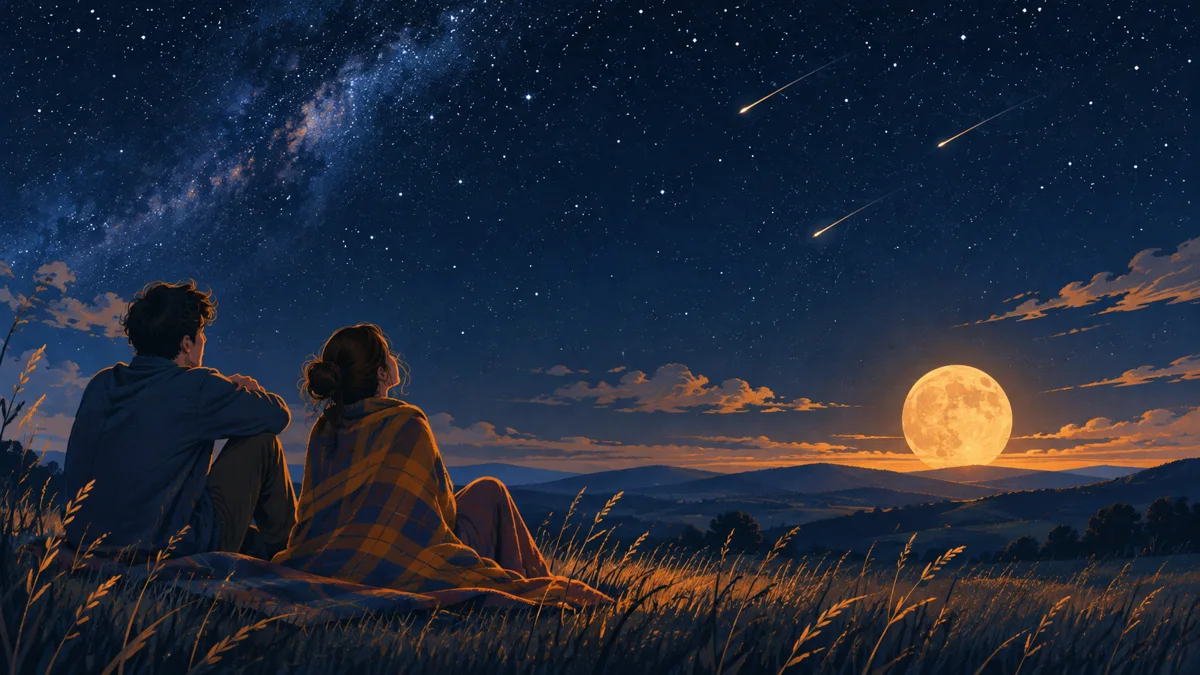
In brief. The Perseids peak in mid-August. Darkness, the Moon, cloud cover and a broad view of the sky matter more than owning a telescope.
The Perseid meteor shower is a recurring August skywatching event. It occurs when Earth encounters debris associated with comet Swift-Tuttle and small particles produce bright streaks in the atmosphere. A useful observing plan begins with the sky conditions at your location. A published peak rate describes favourable observing conditions and should never be treated as a promise for one person's back garden.
Choose a dark, open observing site
NASA places the Perseid peak in mid-August. For a future season, check a current observing calendar for the peak dates, Moon phase and local weather. The hours after midnight and before dawn are often useful, but cloud and bright moonlight can overwhelm that advantage. Pick a place with a broad view away from streetlights and allow your eyes time to adjust.
Bring a reclining chair or blanket, warm layers and water. Meteors can appear across a large area of sky, so a telescope's narrow view is poorly suited to watching the shower itself. Keep phone brightness low and avoid repeatedly looking at a bright screen. Take breaks without assuming that a quiet few minutes means the shower has ended.
What public astronomy events add
France's Nuits des étoiles provides a different way to enjoy the night sky, with local clubs and public observing sessions. The French Astronomical Association's archived programme identifies August 5, 6 and 7 as the dates for the 2022 edition. Those historical dates explain the older event coverage; they are not a schedule for a future summer.
A club event can introduce telescopes, constellations and objects that are difficult to identify alone. Check the organiser's current programme, accessibility, booking requirements and weather policy. Some activities may take place indoors if observing becomes impossible. An event near the Perseid season can cover much more than meteors.
Keep a simple observing record
Write down the location, start and finish times, cloud cover and any interruptions. Count only the time you actually spent watching. A personal record helps explain why two observers report different totals without either being wrong. For the Moon's influence on a dark sky, see KINSMC's explanation of supermoons. For each new season, update the observing dates from an astronomical source rather than reusing an old event headline.
Continue with What Is a Supermoon? Distance, Size and What You Can See for related context.