 KINSMC
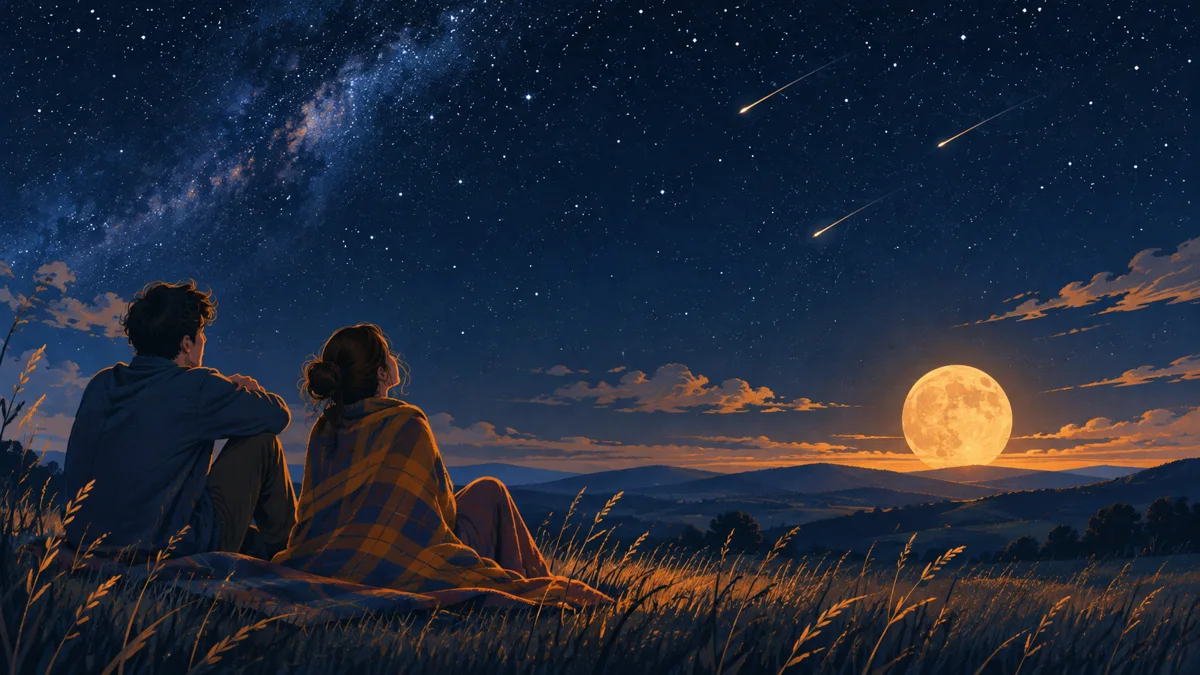
In brief. A supermoon is a full Moon near the closest part of its orbit around Earth. The apparent change depends on which Moon distances are being compared.
A supermoon is a full Moon occurring near perigee, the closest part of the Moon's elliptical orbit around Earth. NASA uses that orbital relationship to explain the term. The Moon has not physically grown; it is nearer the observer than at more distant parts of its orbit, so its apparent diameter can be larger.
Why the comparison matters
Claims about percentage changes need a reference point. Comparing a nearby full Moon with a full Moon near its greatest distance produces a larger difference than comparing it with an average full Moon. Read the comparison before interpreting a dramatic number in a headline.
Brightness also depends on conditions at the observer's location. Cloud, haze, artificial light and the Moon's elevation influence the experience. A striking photograph may combine distance, a long lens, foreground perspective and editing. It should not be treated as a scale drawing of what every viewer will see.
Plan an ordinary Moon-observing session
Check a current local calendar for full Moon, moonrise and weather. Choose a safe place with a clear view in the intended direction and confirm access after dark. A full Moon is easy to locate with the unaided eye; specialist equipment is optional for simply enjoying the view.
If you want to compare apparent sizes in photographs, keep the camera, lens, focal length and processing consistent. Record the date and location for each image. Enlarging one photograph more than another destroys the comparison even when both pictures are genuine.
How moonlight affects other observing
A bright Moon can make faint objects harder to see. That matters for meteor showers and deep-sky observing, where a darker sky is often more useful. KINSMC's Perseid guide explains how to plan around moonlight and cloud cover.
The old 2022 URL that led here described the same general idea. This replacement explains the recurring phenomenon without presenting a past full Moon as an upcoming event. Use a current astronomical calendar for the next date visible from your location.
Continue with How to Watch the Perseids and Plan a Stargazing Night for related context.