 KINSMC
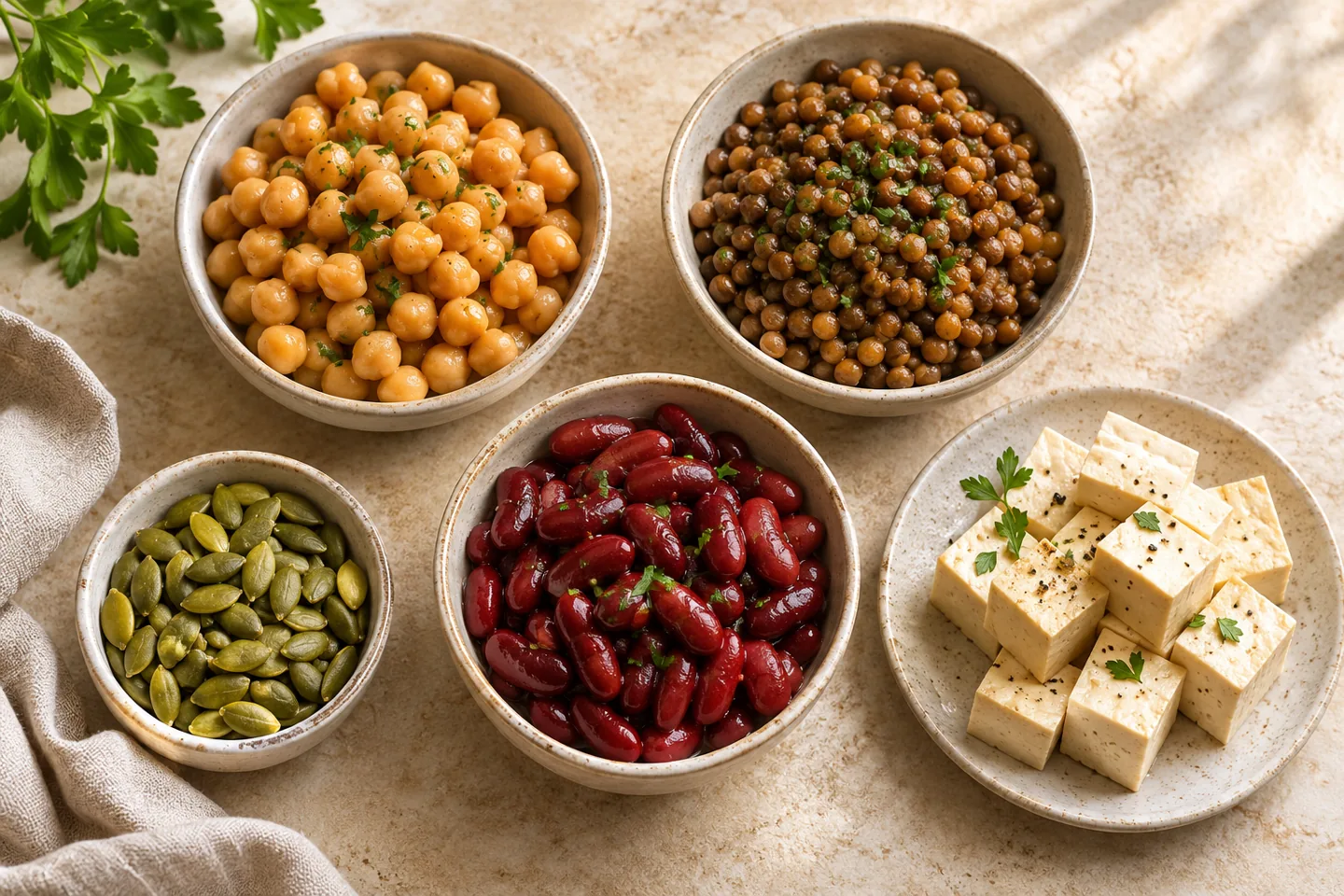
Most healthy adults do not need to pair specific plant proteins at every meal. The more useful goal is to eat enough food and a variety of protein sources across the day. Combining beans with rice can make a good meal, but it is not a rule you must follow every time you eat.
Where the combining idea comes from
Proteins are made from amino acids. Some amino acids must come from the diet, and plant foods supply them in differing proportions. This is the background to “complementary proteins”: one food can contribute more of an amino acid that another provides in a smaller amount.
Chapter 5 of Christopher Gardner’s Food Sense discusses this issue and the role of an adequate, varied diet. The practical lesson is broader than finding a perfect pair on each plate. It is also different from claiming that any plant-based diet automatically supplies everything a person needs.
Variety matters more than a pairing chart
The NHS vegetarian diet guide lists pulses, beans, nuts, seeds and soya foods among protein choices. Its guidance highlights eating a variety of sources to get an appropriate mix of amino acids.
Make the question practical: which protein foods actually appear in your usual meals? A week built mostly around bread, salad and drinks is different from one regularly including lentils, beans, tofu, nuts and other foods. The label “plant-based” alone does not describe the amounts or variety.
Examples of flexible meals
| Starting food | One way to use it | A simple variation |
|---|---|---|
| Lentils | Lentil and vegetable soup | Add bread or rice according to appetite |
| Chickpeas | Chickpea salad with vegetables | Serve in a wrap or with potatoes |
| Tofu | Tofu stir-fry | Change the vegetables and sauce |
| Beans | Bean and tomato stew | Use a different bean next time |
These examples show ways to use ingredients; they do not supply calculated protein totals. Portion sizes and product recipes determine the actual numbers. If comparing packaged foods, use the grams of protein for the portion you will eat.
Three misconceptions to leave behind
“Plant foods contain no essential amino acids.”
Plant proteins contain essential amino acids, though the proportions differ. The Vegan Society’s protein guide explains why variety and adequate intake matter.
“Skipping rice with beans ruins the meal.”
A single meal does not have to tick every box. Consider the overall eating pattern rather than treating rice and beans as an obligatory combination.
“Protein is the only nutrient to plan.”
A fully vegan diet needs attention to other nutrients too. The NHS vegan diet guide covers fortified foods and supplements, including sources of vitamin B12. Protein variety does not replace that planning.
Make your next shopping list more useful
Choose two or three protein foods you enjoy and can prepare with your time and budget. Give each one a meal idea before buying it. If plant beverages are part of breakfast, compare their actual protein content using our soy and oat milk label guide.
Sources and editorial note
KINSMC prepared this AI-assisted educational article with background from Food Sense: What to Eat and Why, chapter 5, and the resources linked above. It does not calculate individual requirements. Children, pregnancy, illness, recovery and demanding training can call for more specific guidance from a qualified dietitian or clinician.