 KINSMC
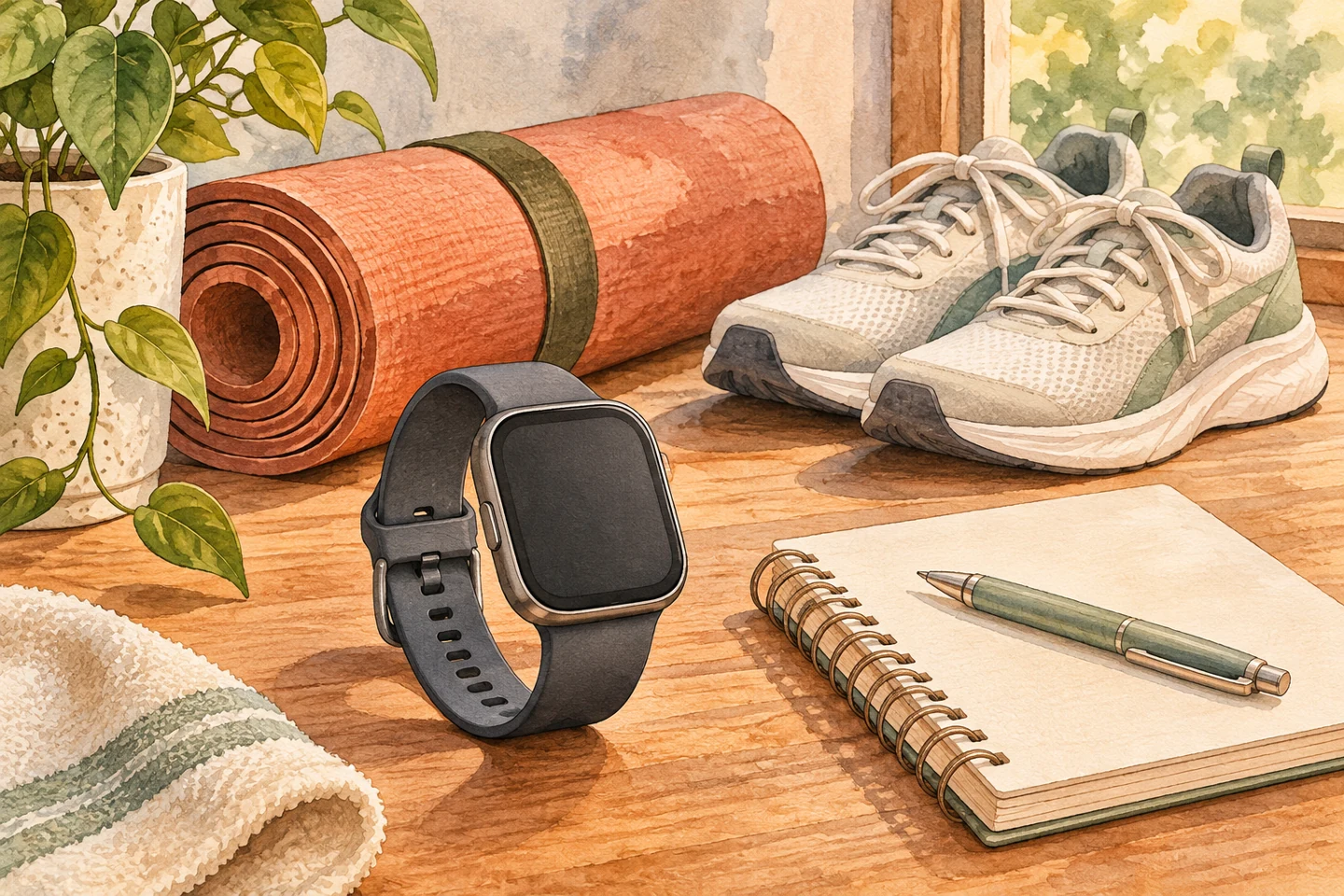
In brief. ACSM’s 2024 fitness trend rankings placed wearable technology first, worksite health promotion second and programmes for older adults third. These were industry expectations for 2024, not a clinical comparison proving which workout was best. This retrospective explains how to read the rankings and use them to ask better questions about equipment and services today.
A trend list can be a useful record of what a professional community considered important at a particular time. Trouble begins when the year disappears from a headline or a popular category is presented as evidence for a specific product. Keep the original question in view: was the source predicting industry attention, measuring participation or testing an intervention’s effects?

Start with the date and purpose
ACSM’s announcement dated 28 December 2023 presented survey results for the coming year. Its 23 January 2024 explanation describes a survey of just under 2,000 fitness-community respondents considering possible trends. The dates matter because the findings were forward-looking at publication.
Reading that material later does not turn it into a report of what every gym actually adopted during 2024. Nor does it establish the current ranking of any category. If you want to compare a forecast with later outcomes, identify a separate outcome measure and a later source. A new article repeating an old list is not that evidence.
For an orderly reading, make three notes: the year being forecast, who supplied the responses and what the ranking represents. Keep those notes beside any quoted position. This prevents an attractive list from acquiring a stronger meaning each time somebody shares it.
Wearables: name the task before judging the device
The first-place category covered wearable technology, including fitness trackers and similar devices. That broad category is not a recommendation for a particular watch, subscription or sensor. A survey position cannot establish that one model measures accurately or provides the right information for an individual user.
Write down the task you want a device to support. Is it a convenient activity log, a reminder or a way of sharing information with a professional? Then check the actual manufacturer’s documentation for that feature and its limitations. Keep a promotional description separate from any independent evidence about the specific measurement you want to use.
Consider the practical arrangement as well. Who can access the account, which information would be shared, and can you retrieve your own records? Ask what remains available without a paid plan. This article makes no claim about a current product’s accuracy, price or privacy settings; those need product-specific verification.
Workplace programmes: look at participation conditions
Worksite health promotion ranked second in the 2024 list. To assess an actual workplace offer, move from the category name to the proposed arrangement. Ask when activities take place, whether participation is optional and what information, if any, is reported to the employer.
Imagine comparing two offers with the same attractive label. One may fit your hours while the other conflicts with essential duties. One may explain data handling clearly while the other leaves it uncertain. Those differences can matter to your decision even though both would sit inside the same broad trend category.
Request written details before assuming a programme meets your needs. A place on an industry forecast does not answer questions about accessibility, cost or confidentiality. These are practical checks for a particular offer, not claims that a workplace programme will produce a guaranteed health outcome.
Programmes for older adults: ask about the actual person
The third-place category concerned fitness programmes for older adults. A broad age label tells you little about the design of a specific session. Ask the provider how it assesses participants’ needs, explains activities and adapts arrangements when appropriate. Relevant qualifications and the provider’s scope of practice are worth clarifying.
Avoid taking a routine from a generic trends article and treating it as an individual prescription. If a medical condition or care plan affects activity, obtain guidance from the relevant health professional. This guide supplies no exercise intensity, rehabilitation programme or claim that a particular class prevents illness.
The same care applies to mental-health language attached to exercise. KINSMC’s exercise and PTSD evidence guide explains why a supportive activity and a treatment claim require different levels of evidence. A trend category should not erase that distinction.
Turn a ranking into a short evaluation sheet
For any proposed purchase or service, record the task, the actual feature or activity offered, the evidence you have, the full conditions and the unresolved questions. Include an alternative that uses equipment or arrangements already available to you. This comparison can reveal whether the new offer solves a real problem.
Keep the source for each factual statement beside it. Put your own preference in a separate column. KINSMC’s data-informed working guide offers a related way to separate observations from decisions. A clear note saying “not yet checked” is more useful than treating an appealing claim as settled.
The enduring value of the 2024 rankings is the conversation they open about technology, settings and different participants. Use that historical context to improve your questions. Make today’s decision from the actual offer and appropriate evidence, while keeping the original forecast in its proper year.
Sources
ACSM: 2024 trend announcement · ACSM: January 2024 interpretation
Editorial source and review notes
Reviewed 29 November 2026. Original English retrospective matching the 2024 fitness slug. ACSM announcement 28 December 2023 and explanation 23 January 2024 checked directly; differing release wording on the latter is not treated as a new event. Survey rankings are expectations, not clinical efficacy or observed adoption. Paper DOI retrieval restricted; no full-paper claim. No current product, clinical outcome or personalised exercise prescription. Evaluation sheet is original editorial guidance. Original AI illustration, not a product photograph.