 KINSMC
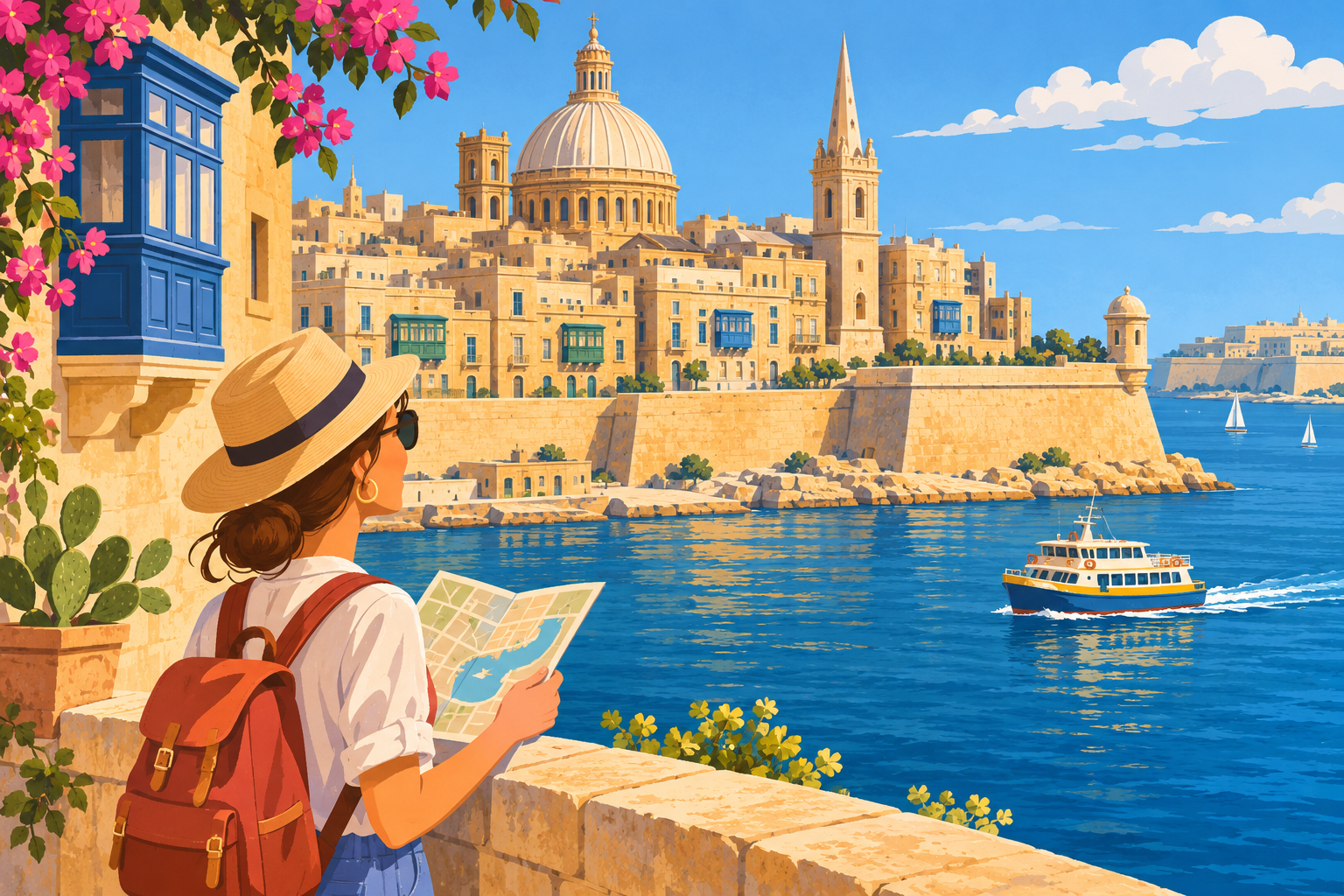
In brief: For a first Malta trip, choose one accommodation base, group sightseeing by area, and leave space for transport delays. Valletta is a UNESCO World Heritage city. Gozo deserves its own day rather than being squeezed between several stops. Check official transport and attraction information before booking: this guide deliberately avoids promising fixed fares, sailing times or opening hours.
A good Malta itinerary starts with a decision about how you want to spend your days. A history-focused break and a beach-focused holiday need different bases, different transport choices and different expectations. Instead of collecting every famous place into one long checklist, build a trip around a few priorities and make the connections between them realistic.
Choose your base before your sightseeing list
Write down three things you want from the trip: perhaps historic streets, relaxed coastal time and one island excursion. Then compare accommodation by the journeys those priorities create. A room that looks inexpensive can become inconvenient if every morning begins with a complicated transfer. Check the location of the actual building, not just the destination name in a booking headline.
For a visit centred on Valletta, look at the walk from the property to the places and transport stops you expect to use. For a quieter stay elsewhere, ask whether you are comfortable planning more journeys. These are itinerary choices, not a ranking of every Maltese neighbourhood. Before reserving, read recent property information about steps, lifts, late arrival and luggage storage. Those practical details can matter more than a slightly larger room.
Give Valletta time rather than treating it as a photo stop
UNESCO lists the City of Valletta as a World Heritage property and describes its remarkable concentration of historic monuments. That is a reason to slow down, not an instruction to visit every building. Choose one main cultural visit, leave time to walk, and keep a flexible window for a meal or an unexpected discovery.
A useful approach is to divide the day into three parts: an activity that requires a booking or opening-time check, an unhurried walking period, and a flexible final stop. Put the fixed activity first when it makes sense for its schedule. Save a copy of your booking and check the entrance location before leaving your accommodation. Historic settings can involve uneven surfaces or steps; check each venue’s access information if mobility is a consideration.
Plan transport from the door, not just between towns
Malta Public Transport provides a journey planner, routes and timetables, service alerts, and fares information. Use those tools for your actual starting point and travel day. A route shown in an old blog post is not a guarantee that it still runs on the same schedule. Check the walk to the stop, any connection, and the final walk at the other end.
Avoid building a day around the tightest possible connection. Leave enough flexibility to miss a service without losing a paid booking. If travelling with children, bulky luggage or a mobility aid, check the operator’s relevant guidance before choosing a route. Keep the return journey visible in your plan as well: an enjoyable afternoon can become stressful when nobody has checked how to get back.
Treat Gozo as a separate planning decision
The official VisitMalta Gozo guide highlights places including the Citadel and coastal landscapes. For a first visit, choose a small number of stops that fit your interests. Resist combining an island crossing with an ambitious schedule of scattered attractions. The time you need includes getting to the departure point, waiting, crossing and travelling onward after arrival.
Before committing, verify the relevant operator’s current timetable, departure port, ticket terms and service notices. A published crossing duration is only one part of the total journey. Keep a weather-dependent excursion away from an immovable appointment where possible. If your trip is short, staying on Malta and enjoying a less crowded itinerary may suit you better than adding another island simply because it appears on a checklist.
A flexible three-day outline
As an editorial planning suggestion, use the first full day for Valletta and a single main cultural visit. Spend the second day exploring one other area that matches your interests, with a relaxed meal and room for travel. Reserve the third day for Gozo only if the connections and conditions work for your group; otherwise use it for something closer to your base. This is a framework to adapt, not a booked tour or a promise that particular attractions are open.
If you have fewer days, remove a destination rather than compressing everything. If you have more, add slower mornings or a second night in an area you especially want to explore. Keep arrival and departure days light. A late flight, luggage collection or an accommodation check-in can consume the time that an optimistic spreadsheet assigns to sightseeing.
Build a budget that reflects the whole trip
Separate the budget into accommodation, local journeys, meals, admissions and a contingency amount. Compare the total you expect to pay, including booking conditions and transfers, rather than focusing on a headline room rate. Our two budget travel tips explain a simple way to compare real costs across options.
For tickets and passes, calculate how many journeys or visits you genuinely plan to make before deciding that a bundle is good value. Avoid buying activities just to justify a pass. Check cancellation and rescheduling terms for anything dependent on transport or weather. Keep your essential bookings accessible offline and store copies separately from the only device you carry.
Check these details before you go
Use VisitMalta’s official tourism website to identify attractions and visitor information, then confirm practical details with each venue or operator. Check entry requirements through the authorities relevant to your passport and circumstances. Do not rely on a general travel article for an individual immigration decision. Review accommodation instructions, transport alerts, accessibility information and any reservation requirements for your chosen activities.
If you use an AI assistant to organise the trip, make it produce a list of details to verify rather than treating its itinerary as a timetable. Our guide to using AI for travel planning explains how to separate suggestions from facts that need current confirmation.
Sources and editorial review
Reviewed 28 November 2026. Sources: VisitMalta for official destination information; UNESCO for Valletta’s World Heritage listing; Malta Public Transport for official planning tools and service information. Itinerary structure and budgeting suggestions are KINSMC editorial advice, not claims of firsthand travel. No fixed prices, entry rules or sailing schedules are asserted. This newly written guide restores a previously missing Malta URL; it does not reproduce the deleted article. The featured illustration is original AI-generated artwork.