 KINSMC
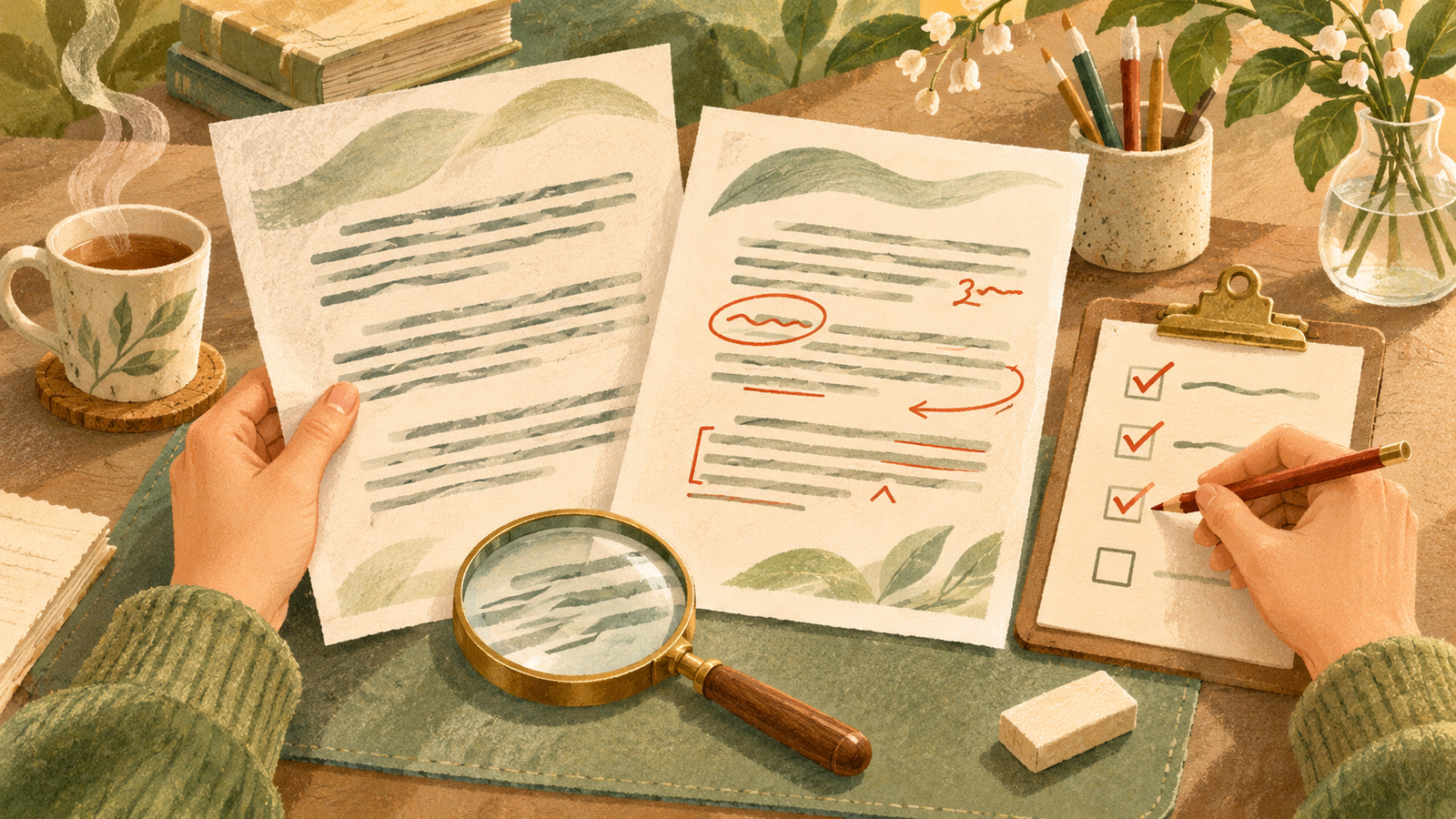
A shorter message is useful only if it still tells the reader the right thing. When you ask AI to simplify a paragraph, a polished answer can hide a missing exception or a changed deadline. The practical goal is therefore not to make every sentence as short as possible. It is to make an intended action easier to understand while keeping the facts that determine that action.
Digital.gov’s plain-language guidance starts with the audience and recommends testing whether content communicates the intended message. That is a useful foundation for an AI editing task. The workflow below is KINSMC’s practical editing method, not a validated test of a particular model or a guarantee that an automated rewrite will preserve meaning.
Define the reader and the action
Before opening a chatbot, write one sentence describing who will read the text and what they need to do. A first-time visitor needs different context from an experienced colleague. For example, a community workshop attendee may need to know when to arrive and what to bring, while the organiser needs a separate instruction about checking equipment.
Give the editor that specific context. Asking for text that is simply easier is less useful than asking for instructions for a newcomer who has never attended the workshop. Avoid assigning an arbitrary school reading level unless it describes the actual audience. Familiar words and a logical sequence can improve clarity without removing necessary technical terms.
Make a list of details that must survive
Work from an approved source version, not an old message copied from a search result. Mark the dates, quantities, units, contact route, named responsibilities and qualifying conditions. Keep the original beside the rewrite so you can compare them. If the document contains private information, use the process in our guide to redacting a document before sharing it with AI.
Consider this invented instruction: participants should arrive fifteen minutes early if they need to borrow tools, and borrowed tools must be returned before leaving. A rewrite that tells everyone to arrive early changes the audience for the instruction. A rewrite that omits the return requirement removes an obligation. The sentences might read smoothly while giving the wrong instructions.
Request a bounded rewrite and a change list
An original prompt you can adapt is: Rewrite this notice for a first-time attendee. Keep every deadline, quantity, condition and named responsibility unchanged. Do not add promises or infer missing rules. Use short paragraphs. After the rewrite, list anything you removed, combined or could not understand. Flag ambiguities rather than resolving them yourself.
Provide only the material the tool is permitted to process. Do not assume that this prompt controls account storage, training settings or access permissions. Those are separate matters. The requested change list is a review aid, not proof that the model has reported every change accurately. You still need to compare the two versions independently.
Review conditions before polishing the style
Read each sentence containing words such as if, unless, before, after, may or must. Ask whether the rewrite has kept the same relationship. A possible option must not become a requirement. A requirement must not become a suggestion. Two conditions connected by and must not quietly become alternatives connected by or.
Then check every number and unit directly against the source. A time without its date, a price without its included items or a distance without its unit can look precise while remaining incomplete. If a statement is ambiguous in the original, return it to the owner for clarification. The editor should not invent a rule merely to make the paragraph appear finished.
Test understanding with a practical question
Ask someone unfamiliar with the notice to explain what they would do. For the workshop example, ask when they would arrive if they were borrowing tools, and what happens to the tools afterward. A person repeating a sentence is less informative than a person describing the action it requires. Keep the exercise short and avoid coaching them toward the intended answer.
If you cannot involve a reader, write the questions yourself and answer them from each version separately. That is a limited editorial check, not user testing. Another AI response can suggest questions, but it cannot establish that real readers understand the message. Our guide to getting feedback on a draft offers a complementary way to diagnose a confusing paragraph before replacing it.
Approve one final version
Keep the source, the edited version and a brief record of substantive changes together. Identify who approved the meaning, especially where a notice describes another team’s process. Publish only after checking the destination format: headings, links and paragraph breaks may work differently in an email, printed sheet or website. A correctly edited paragraph can still become hard to follow when it is pasted into the wrong layout.
Stop when the reader can find the relevant instruction and the essential details match the source. More rewriting is not automatically better. The useful output is an approved message that helps someone act correctly, together with enough traceability to explain why it says what it says.
Sources and scope
Digital.gov: Principles of plain language supports the audience and clarity principles discussed here. The specific prompt, fictional workshop scenario and review sequence are original editorial suggestions. This guide does not establish that AI editing improves comprehension for every reader.